Hand-drawn Floral Borders and Frames Review
When I sit down to select a machine embroidery design for a client project, my first instinct is always skepticism. We have all seen the "perfect" digital graphics that fall apart when translated into thread. This is especially true when working with delicate or illustrative styles. Recently, I evaluated a collection titled Hand-drawn Floral Borders and Frames, which falls under the broader categories of Illustrations and Graphics. My goal was to determine if these designs hold up in real-world production environments, particularly for small business owners and Etsy sellers who need reliable assets that translate well from screen to fabric.
The First Impression: Mood and Visual Personality
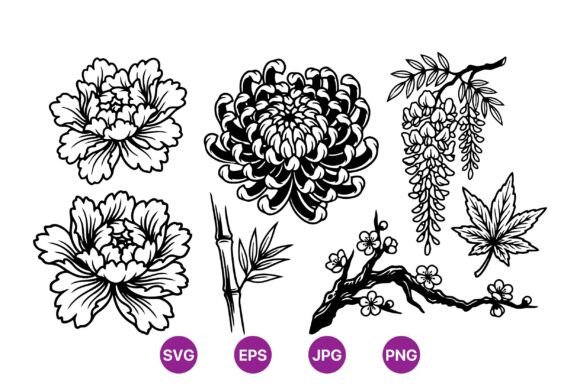
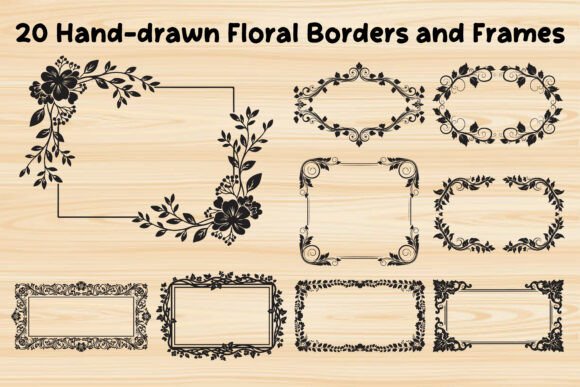
Upon opening the files, the immediate takeaway is the organic feel of the artwork. Unlike rigid, geometric vector borders, this collection leans heavily into the hand-drawn aesthetic. The lines are slightly irregular, mimicking the natural variation you would see in ink on paper. For an embroidery designer, this is a double-edged sword. On one hand, it adds warmth and character; on the other, it requires careful digitizing consideration to ensure the curves do not look jagged or messy after stitching.
The mood created by Hand-drawn Floral Borders and Frames is undeniably elegant and vintage-inspired. It feels suited for products that aim to convey care, tradition, or artisanal quality. Whether you are creating a wedding invitation suite or a boutique brand logo, these frames provide a soft, romantic backdrop without overwhelming the central subject. The layout is versatile enough to work as corner accents, full perimeter borders, or standalone focal points, making them valuable design assets for creative entrepreneurs looking to diversify their inventory.
Real-World Application: From Tote Bags to Baby Items
To truly test the viability of this embroidery file, I simulated several common use cases. The most straightforward application was a custom embroidered tote bag. Using Hand-drawn Floral Borders and Frames around the edge of a canvas bag creates an instant upgrade from mass-produced goods. The hand-drawn style complements the rugged texture of canvas, adding a touch of sophistication that appeals to shoppers looking for unique, handmade products. In this scenario, the design acts as a frame for a monogram or a simple logo, drawing the eye inward while providing a polished finish.
I also considered its potential for baby items, such as muslin blankets or onesies. Here, the softness of the floral motifs is a significant advantage. However, caution is required. When applying these borders to baby embroidery projects, the density of the stitching must be kept light to ensure comfort against sensitive skin. The design works beautifully as a gentle border on a receiving blanket, where the visual appeal is high but the tactile impact is minimal.
For holiday gifts and personalized products, these frames offer excellent versatility. Imagine a set of kitchen towels featuring Hand-drawn Floral Borders and Frames at the hem. The design elevates a basic utility item into a giftable object. Similarly, for apparel decorators working on sweatshirts or t-shirts, using these borders as a chest-level accent or a sleeve cuff detail can create a cohesive, branded look. The key here is consistency; using the same frame style across multiple product lines helps build brand recognition and trust with your customer base.
Technical Considerations and Stitching Clarity
Not every graphic translates equally well into thread. With Hand-drawn Floral Borders and Frames, the level of detail varies. Some elements are clean and bold, while others feature fine, sketchy lines. This distinction dictates where the design should be used carefully. Small hoop sizes are generally unsuitable for the more intricate sections of these borders, as the machine may struggle to render tiny details accurately, leading to thread breaks or loss of definition.
Fabric texture plays a crucial role in the final outcome. On smooth fabrics like cotton sateen or linen, the running stitch and satin stitch elements will appear crisp and clear. However, on textured fabrics like wool blends or heavy denim, the fine details may get lost in the weave. Dark fabrics present another challenge; unless you use high-contrast thread colors, the subtle shading inherent in the hand-drawn style may disappear. Testing the design in black-and-white mockups before committing to a color palette is a smart step to verify legibility.
Stitch density is perhaps the most critical technical factor. While the description highlights the artistic value, the actual execution depends on how the digitizer has programmed the stitch density. If the fill areas are too dense, the fabric may pucker, ruining the drape of the finished product. Conversely, if the density is too low, the backing material might show through. It is essential to inspect the design file closely to ensure that the balance between coverage and stability is appropriate for the intended fabric weight.
Where to Exercise Caution
- Curved Surfaces: Applying these borders to caps or hats can be tricky. The flat nature of the digital design may distort when pulled over a curved brim or crown. Always test on the actual garment shape before bulk production.
- Small Details: Avoid using the finest lines of the border for embroidered patches that require durability. Frequent washing and friction can cause thin threads to fray or break over time.
- Stretchy Fabrics: Knits and stretchy materials require specific stabilizers and potentially a different stitch type (like a narrow zigzag) to prevent distortion. Standard satin stitches may pull and warp on jersey or spandex blends.
- Tiny Lettering: If you plan to combine these borders with text, ensure the font size is large enough to remain readable after stitching. Hand-drawn borders can visually compete with small fonts, reducing clarity.
Practical Designer Notes for Production
Before integrating Hand-drawn Floral Borders and Frames into your commercial workflow, there are several practical steps every designer should take. First, always test the design on scrap fabric that matches the final product in weight and composition. This allows you to adjust thread tension and choose the correct stabilizer—whether tear-away, cut-away, or water-soluble—to support the fabric during stitching.
Thread color selection is equally important. Because the original graphic is likely monochromatic or grayscale, you have the freedom to interpret the colors. However, avoid using threads that are too close in shade to the fabric, as this will flatten the design. High contrast ensures that the hand-drawn nuances are visible and appreciated by the end user.
Furthermore, confirm the licensing terms explicitly. As a digital product seller or Etsy seller, you need to know whether you can sell finished items made from these designs. Some licenses restrict commercial use or require attribution. Clarifying this beforehand protects your craft business from legal issues and ensures you can confidently market your small shop product as a legitimate commercial good.
Final Verdict on Value and Aesthetic
Overall, Hand-drawn Floral Borders and Frames offers strong aesthetic value for designers seeking to add a touch of elegance and humanity to their work. It is particularly effective for personalized gifts, custom apparel, and boutique branding where a soft, artisanal vibe is desired. The collection’s versatility allows it to function as a primary motif or a supporting element, making it a useful addition to any library of digital embroidery files.
However, success depends on technical execution. By respecting the limitations of small details, choosing appropriate fabrics, and testing thoroughly, you can transform these digital graphics into high-quality finished products that customers love. For those willing to put in the prep work, this collection provides a reliable foundation for creating professional, visually appealing embroidery projects that stand out in a crowded marketplace.